Soul of India
Colour in South Indian Textiles
Mustard against maroon, parrot green with pink, temple gold on teal. South Indian colour pairing follows a logic that most modern styling advice would call wrong.
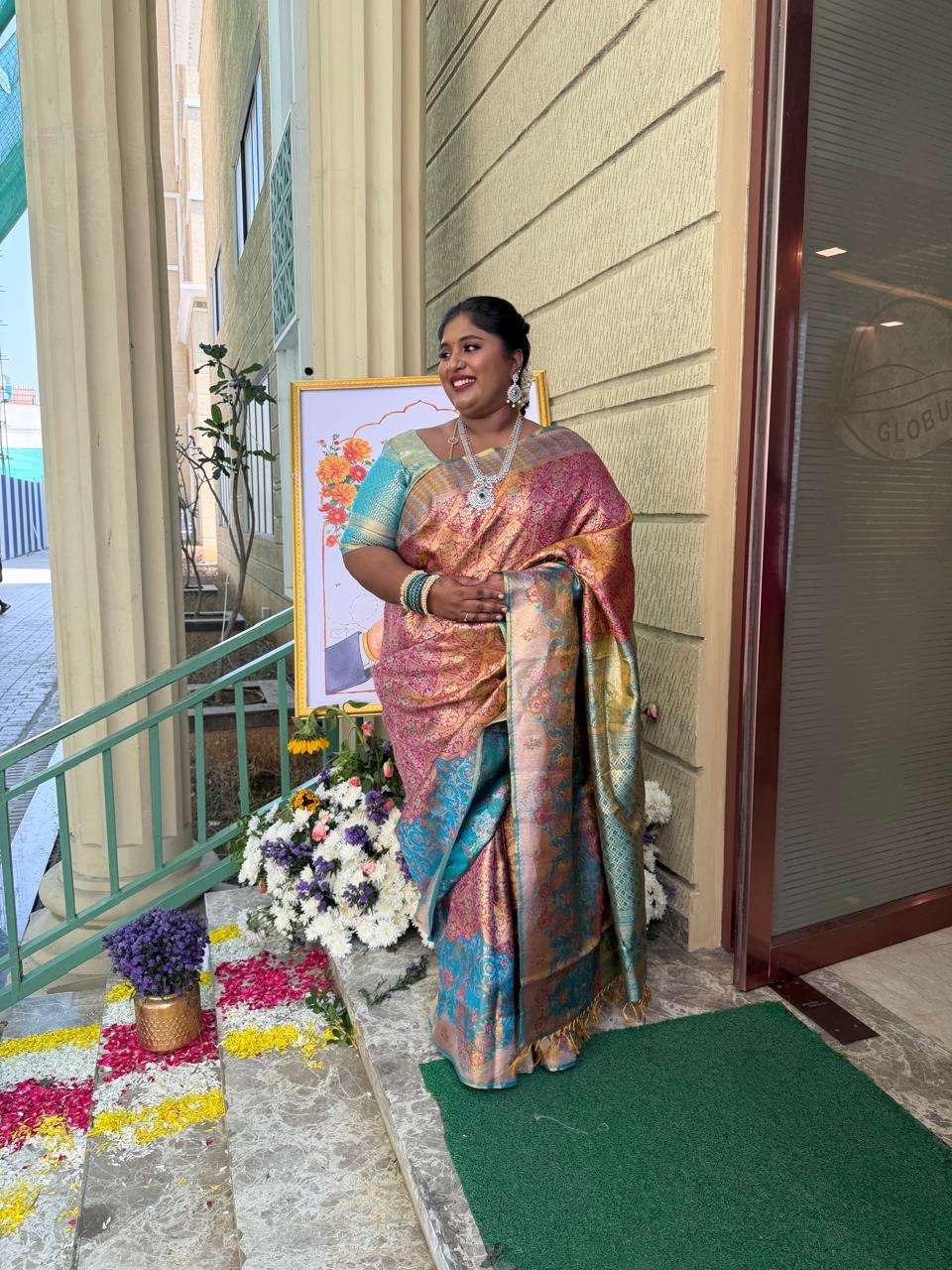
Mustard against maroon. Parrot green with hot pink. Teal with a temple gold border. If you took these combinations to most modern styling advice, you would be told to soften them.
Contrast is the tradition, not an accident
South Indian weaving is built on the contrast border. The body is one colour, the border is deliberately another, and the two are meant to argue. That tension is why these sarees photograph so well and why matching everything to a single tone always looks flatter.
Gold is a structural element
Zari is not decoration added at the end. It draws the eye along the border, defines the pallu and gives the whole garment an edge. In strong South Indian sunlight it behaves like light rather than like ornament.
The combinations that look boldest have usually been in use the longest.
Colour and climate
These palettes were developed under a particular quality of light. Colours that seem overwhelming indoors in a cooler country resolve perfectly under a Tamil Nadu afternoon, which is the light they were designed for.
What I have learned to trust
- If a weaver put those two colours together, there is a reason.
- A contrast blouse almost always beats a matching one.
- Neutral is a modern idea, not a traditional one.
Using it in modern dressing
I carry the same logic into non-traditional clothes now: one strong colour, one deliberate contrast, gold as the edge. It is a South Indian grammar applied to a blazer, and it works.
Explore the Soul of India album
Get in touchKeep reading
Soul of India
Six Yards That Carry a Country
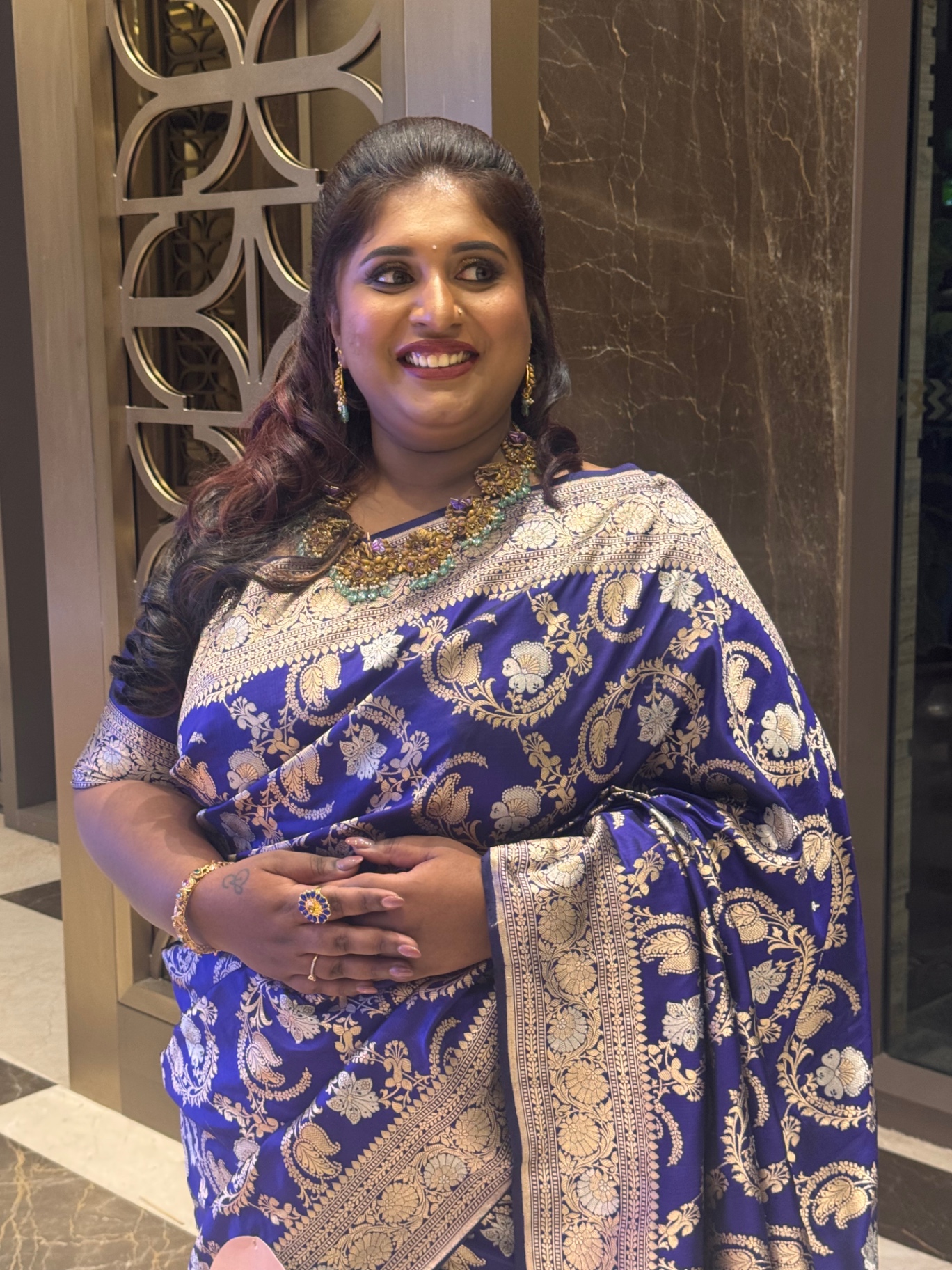
The Soul of India series began as a photoshoot and became an argument about inheritance. Why I keep returning to the saree as a modern, public garment.
7 July 2026 · 1 min
Soul of India
Kanjeevaram Notes
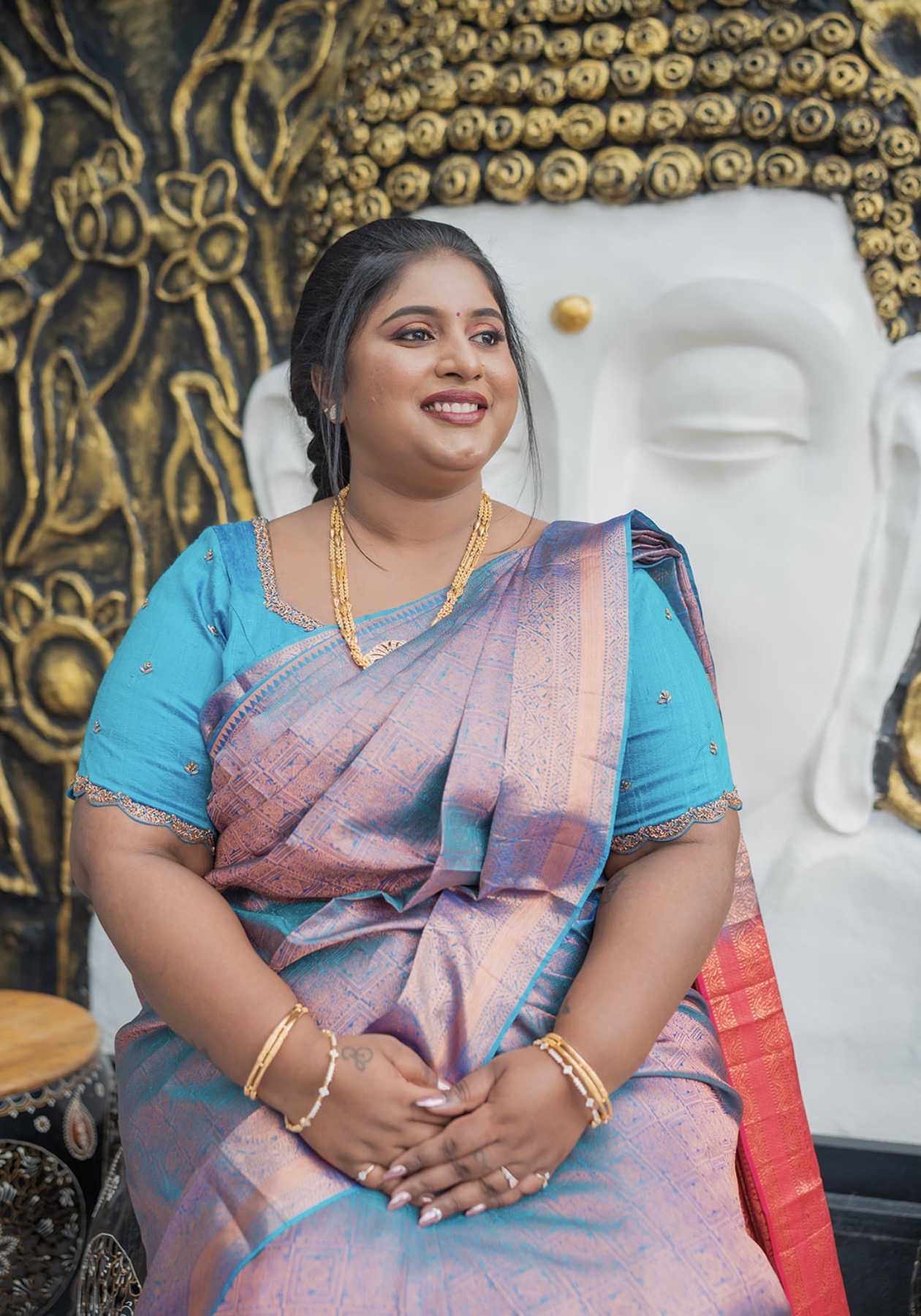
What I look for in a Kanjeevaram, how I care for the ones I have inherited, and why the weight in your hand tells you most of what you need to know.
14 July 2026 · 1 min
Soul of India
Regal Rouge: Behind the Shoot
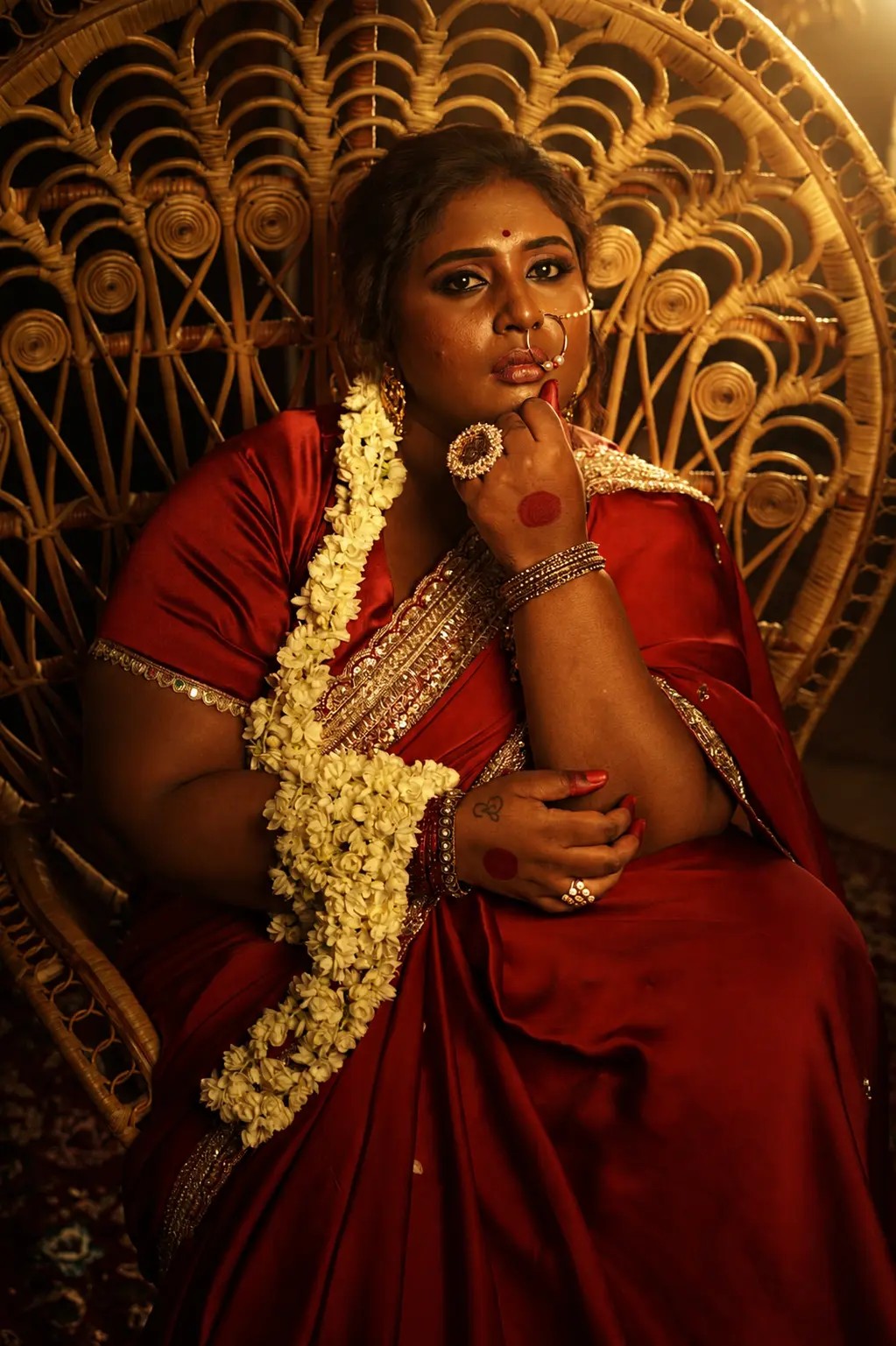
Lamps, jasmine, smoke and a great deal of red. How the Regal Rouge series was planned, and what changed once we started shooting.
21 July 2026 · 1 min